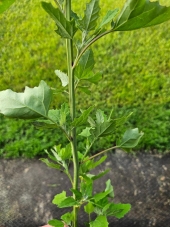
OK, just Internet folk lore but interesting....
http://www.cancer-healing.com/dandelion_root.php How the Lord Told Me to Cure Cancer
(This article originally appeared in The Northwest Herald)
Please save this page as it won’t be printed again by me. It may save your life or the life of a love one or a friend. Anyone may reprint this if they print it word for word.
Every week around 10,000 people die of cancer. Government figures show the death rate for cancer deaths has not changed in the last 10 years. Chemo and radiation only save around 10% of the people treated. So this shows our doctors don’t have much to work with. As this article goes on, I will explain how to prepare this plant and how much to take. There is nothing to buy. For some reason, the Lord has picked me to carry these words to you. I am only the delivery boy, and none of this is my idea. I do believe every word I write here, and I’m living proof it works. The cost of printing is my thanks to God for giving me back my life and health.
A little over three years ago I was about done in with cancer. One morning as I was waking up and hoping the end would come soon, a voice came to me and said. “You have to do something about your prostate cancer. Take the root of the dandelion. Don’t expect a miracle. It took you a long time to get in this condition.” The voice was gone. I thought the voice was kidding to use the dandelion. When this voice tells you to do something, you do it. You must do it, like writing this article. It is the last thing I ever expected to do. Then I thought he didn’t tell me how much to take or how to prepare it. As soon as you could blink an eye. I knew how much to take, how to prepare it, and it would take 4 to 6 months to cure me. I also knew I wasn’t to make a penny on it.
As soon as I got around that morning, I dug some roots and started to prepare it. About a week later I started taking it. Three weeks later the pain in my back and side was gone and my bowels had improved. Five and one-half months later they could find no cancer problem in me at all.
I, then wanted to find someone else to try it, and that was the biggest problem yet. Nobody seems to want to help. When I told doctors, they just smiled as if I was nuts. Finally, I was telling a friend about it and he said he had a friend that was dying of lung cancer. He had it in both lungs and was bed ridden. They were tapping his lungs. He had been given 4 to 6 weeks to live. After he had been on this powder about six weeks, he was up and around doing his chores and driving his car. He went to his doctor’s office, and the doctors could not believe it. They took him to the hospital and gave him a CAT scan. They found no cancer lesions in his lungs and said it was a miracle. I then put an ad in The Northwest Herald offering it free, and four people said they would try it. Slowly one person told another and it spread. There was a fair amount of people taking it for different kinds of cancer and several for other things. For instance, a man lost the use of his immune system and was told he wouldn’t be able to work again for three years, in six months he is now working ½ days and feeling better. I know this is not a cure-all. It won’t help everyone or all kinds of cancer. I know it is not a cure for skin cancer and it hasn’t had luck with brain tumors. There is a doctor in Boston, Massachusetts that has developed a vaccine that is doing great things. This has been successful with prostate, colon, breast, liver and best of all with lung cancer. Five people have taken it for lung cancer and all five have been cured once. The immune system controls the cancer cells in your body. As long as the immune system is healthy, you don’t usually have a cancer problem. When your immune system gets run down, it loses control of the cancer cells, and they start eating live cells and this is what they call cancer. This powder made from dandelion root has something in it that builds up the blood and the immune system.
When the immune system is built up so far, it gets back control of cancer cells, and they do an about face and start cleaning up the mess they’ve made. This is why you must have a fair appetite because your body must build itself up and be healthy if your immune system is going to be strong. This will not work for people that have lost their appetite or are on CHEMO. Doctors try to blast the cancer out of your body with Chemo or radiation. By doing so, it destroys your immune system and appetite. These are the most important things your body needs to beat cancer. Operations also knock the immune system haywire. This is why so many people that have operations for cancer find that a short time later it has spread somewhere else.
Many of the worst diseases that have plagued the world have been cured quite easily. When I was a boy, women dreaded the goiter more than cancer. A little iodine in the diet cured that. For hundred of years the most dreaded diseases was leprosy and lockjaw. A doctor found he could produce penicillin from moldy bread and could cure them and many more things. How long has moldy bread been around? I’m sure scientists will find many uses for the powder made from the root of the dandelions besides cancer. I have already found it builds up the blood so you heal much faster.
To make the powder from the dandelion root you must follow my directions to the letter. Any changes and it won’t work. Dig a handful of dandelion roots any time of the year – it doesn’t matter. Cut the leaves off just below the crown. DO NOT WASH. Then they must be dried around 100 degrees. I do it in an incubator with no water. You can also dry them under a heat light bulb if you raise or lower it so it’s 100 degrees. You can also use the sun or put them in the attic if it’s not too hot. It takes about 5 or 6 days in the incubator. I have not done this all the way under the heat light. When you break a root and it snaps it is ready to powder. Take an old iron frying pan and a clean hammer. Take one root at a time and place in the frying pan and start tapping. Don’t hit hard or it will fly all over the place. I put my hand around the root to keep most of it in the pan. If it sticks to the hammer and pan, and doesn’t crumble in your fingers, it isn’t dry enough. Keep it up until you have enough to start. It takes about 20 minutes to ½ hour to prepare enough for a week. When you get used to it you can go much faster.
I have an old vessel that druggists used to pound pills, this goes much faster. DO NOT USE AN ELECTRIC GRINDER, it won’t work if you do. You lose too much of the good part in dust. You must do it as I have said or don’t do it at all. I’ve tried shortcuts, but it seems someone was looking over my shoulder, and I know when I made a mistake. I’m just an old farmer and not a scientist, so I wouldn’t know the correct amount to take on my own. Now take a little over one-half teaspoon once a day at any time and mix it with water, orange juice, etc. Do not use in soft drinks, liquor, or anything hot. When mixed, use it all. Don’t let it stand around. Keep the power in a dry place. After taking it three or four days, you will feel good, but nothing else. That is because your blood is building up. When you blood is happy, you’re happy. In most cases, this will build your immune system in from three days to three weeks to the point it takes back control of cancer cells and thus the cancer stops spreading. In most cases it is going to help. There is no body feeling as it works. You just feel a little better each week. After three weeks most of the pain will be gone in your back and you know it’s working if you had pain there like I did. If you have bone cancer in the spine, it will take three months to work. This is not an overnight cure. It took a while to get in this condition and it will take a while for your body to heal. The sooner you start, the quicker you will be over cancer. Young people heal faster than old people, but it will help at any age. I know because I’m 80 and have been taking it for over three years. No cancer has come back and no side effects except when my body has had enough, it lets me know by getting heart burn. Then I back off some. Some people get stomach aches when they need less. It also means your cancer is under control and you don’t need as much. You will also find you probably won’t catch a cold while you are taking it full-strength.
The biggest enemy for this root is Chemo. The stronger the Chemo, the less chance the power has to help you as Chemo tears your immune system and appetite down, two of the most important things you need to cure cancer. There is only a ten percent chance Chemo will cure you. With no chemo, your chances are 75 to 80% but you must take it every day. Don’t let your doctor give you that old treat if you turn him down that goes, “If you want to throw your life away, I can’t stop you.” Just remember that 90% of the people that take his advice and take chemo are in the cemetery. Don’t blame the doctor, he is doing his best with what he has to work with or you could ask for a written guarantee.
I have only mentioned cancers that I know people have had and used this root. It should help pancreas cancer if taken before the appetite is gone and most body cancer. This is food, not a drug. It shouldn’t interfere with medicine your doctor may be giving you. Only two doctors have told patients to keep taking the power when they have made a miracle recovery. The rest of the doctors have run the power down and blasted the people even if the cancer has disappeared. The medical world is not going to accept this easily.
Going back to not washing the roots and leaving a little soil on them, it is for your own good. A good bit of immunity comes from the soil, it starts as soon as you are born. Your fingers touch something, and you put them in your mouth. A little dirt at first, and more as you grow older and start crawling. Then everything you touch goes in the mouth. When children go outside to play and when they come in, they are the dirtiest around the mouth and hand. The hands go in their mouths no matter how dirty they are. Many diseases and bacteria live in the ground, but they don’t seem to cause any trouble but it does build up the immune system. Some animals can’t live if they can’t eat a certain amount of soil. If you read this article over, you will see it all goes back to common sense. I wish all of you people with cancer and other problems the best.
George Cairns
Phone: (815) 338-1526, or send self addressed envelope to:
708 Hughes Road, Woodstock, IL 80096
This ad does not necessarily reflect the opinion of the Northwest Herald. The dandelion root powder you can buy at a Health Food Store is not made the same way. It is not known to help cancer. This is a reprint of the ad in The Northwest Herald.
Jeff









 1
1